Process
From drawing to assembly-ready part: what a finished component actually means
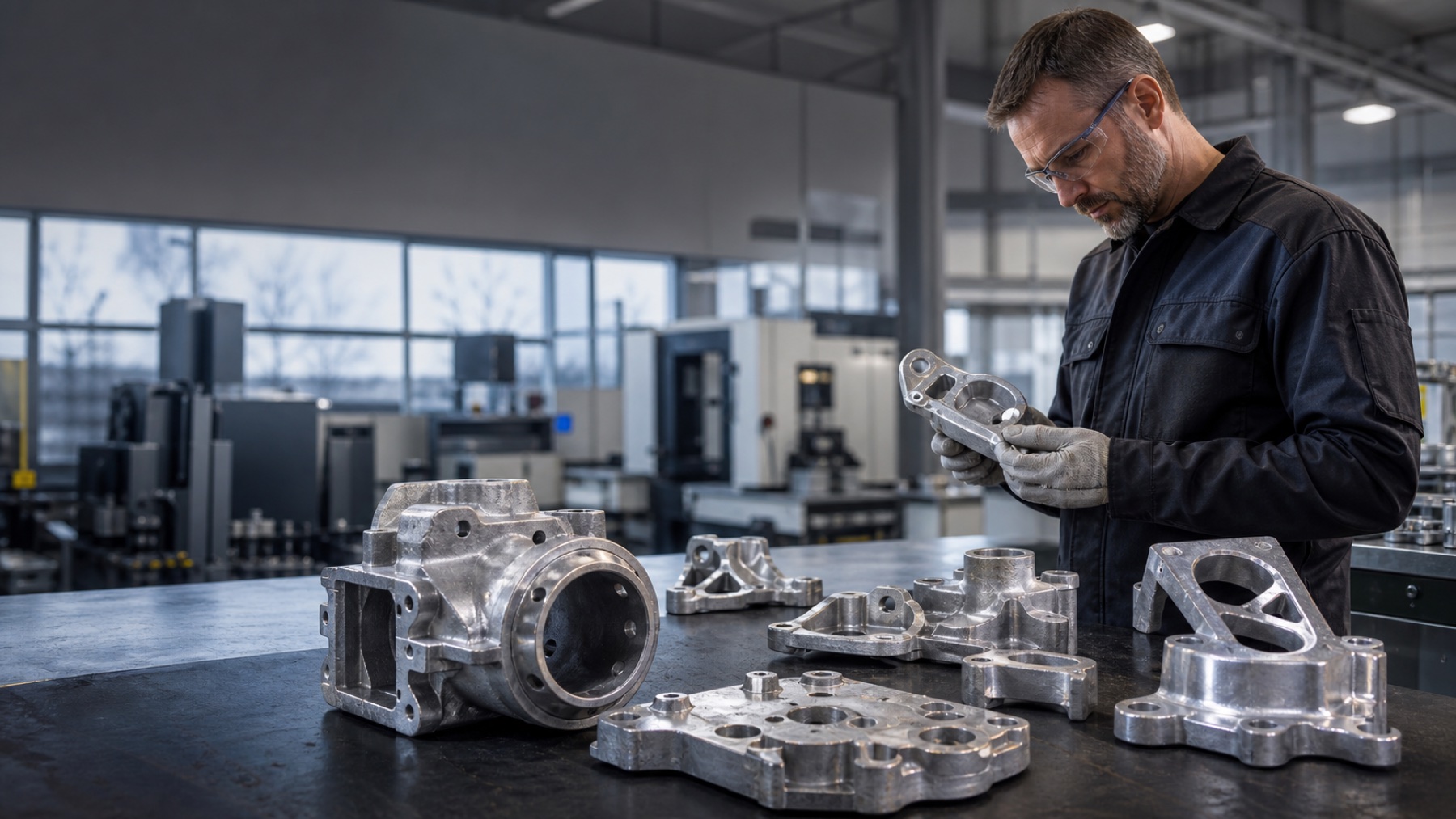
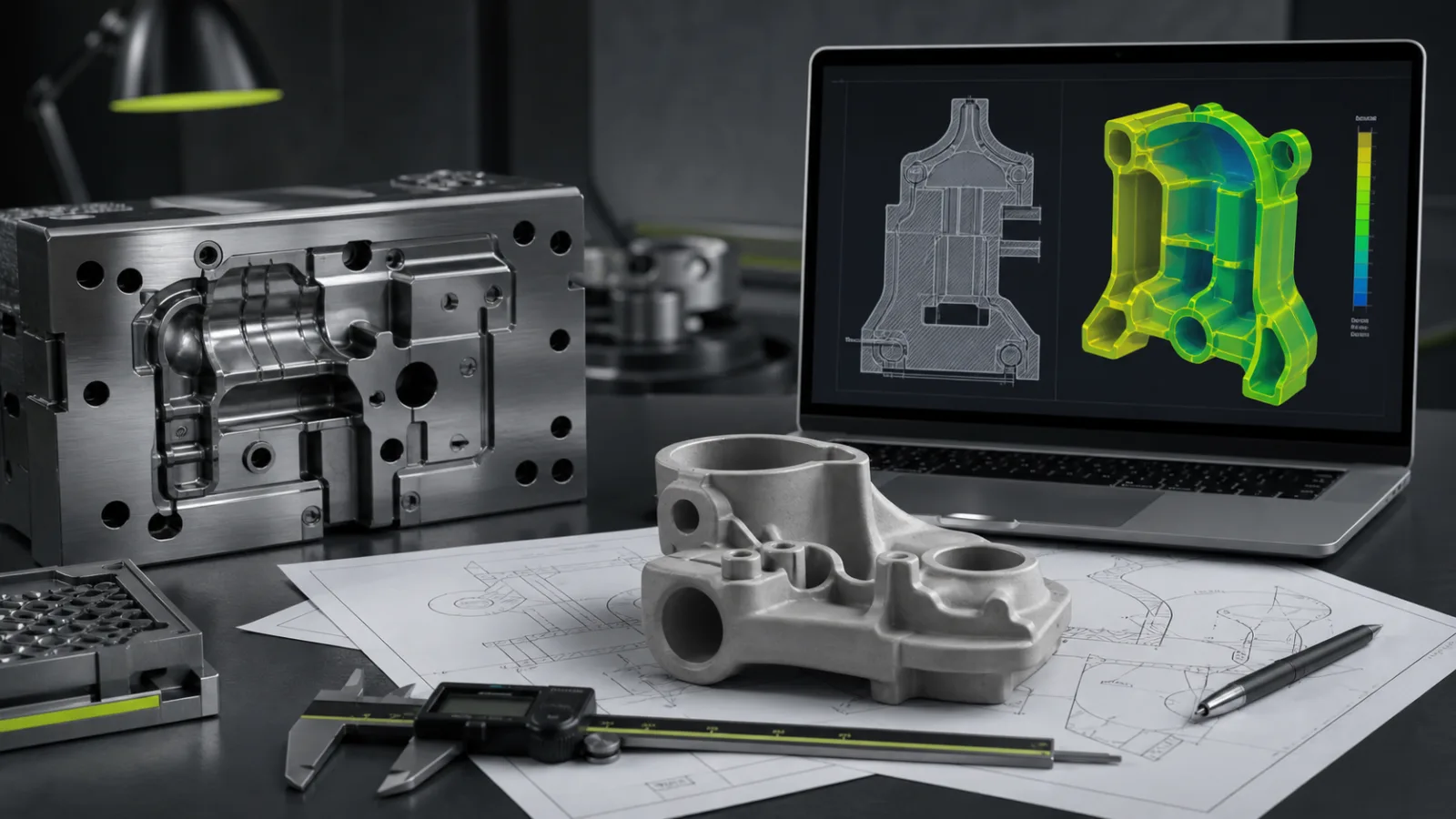
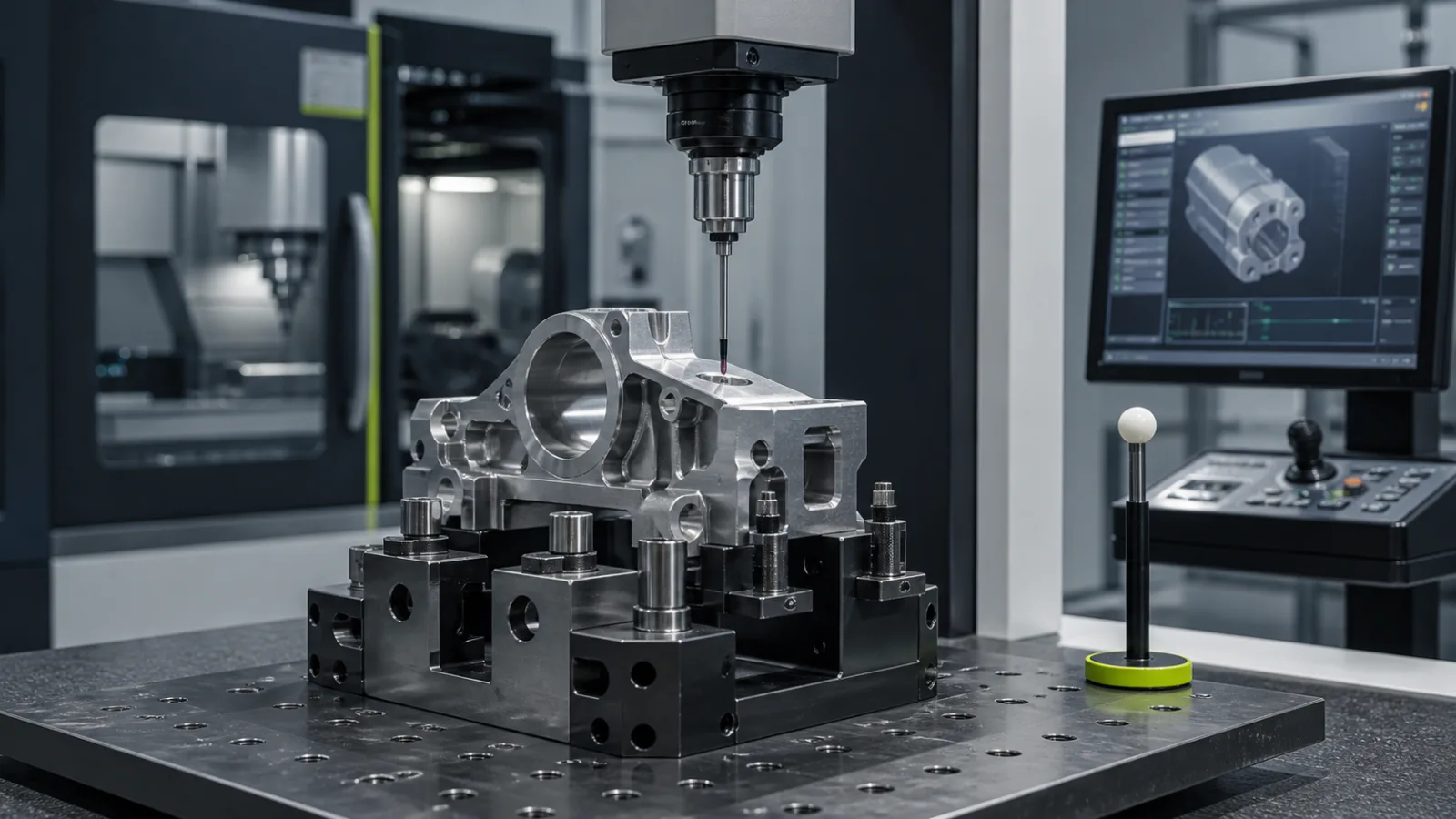
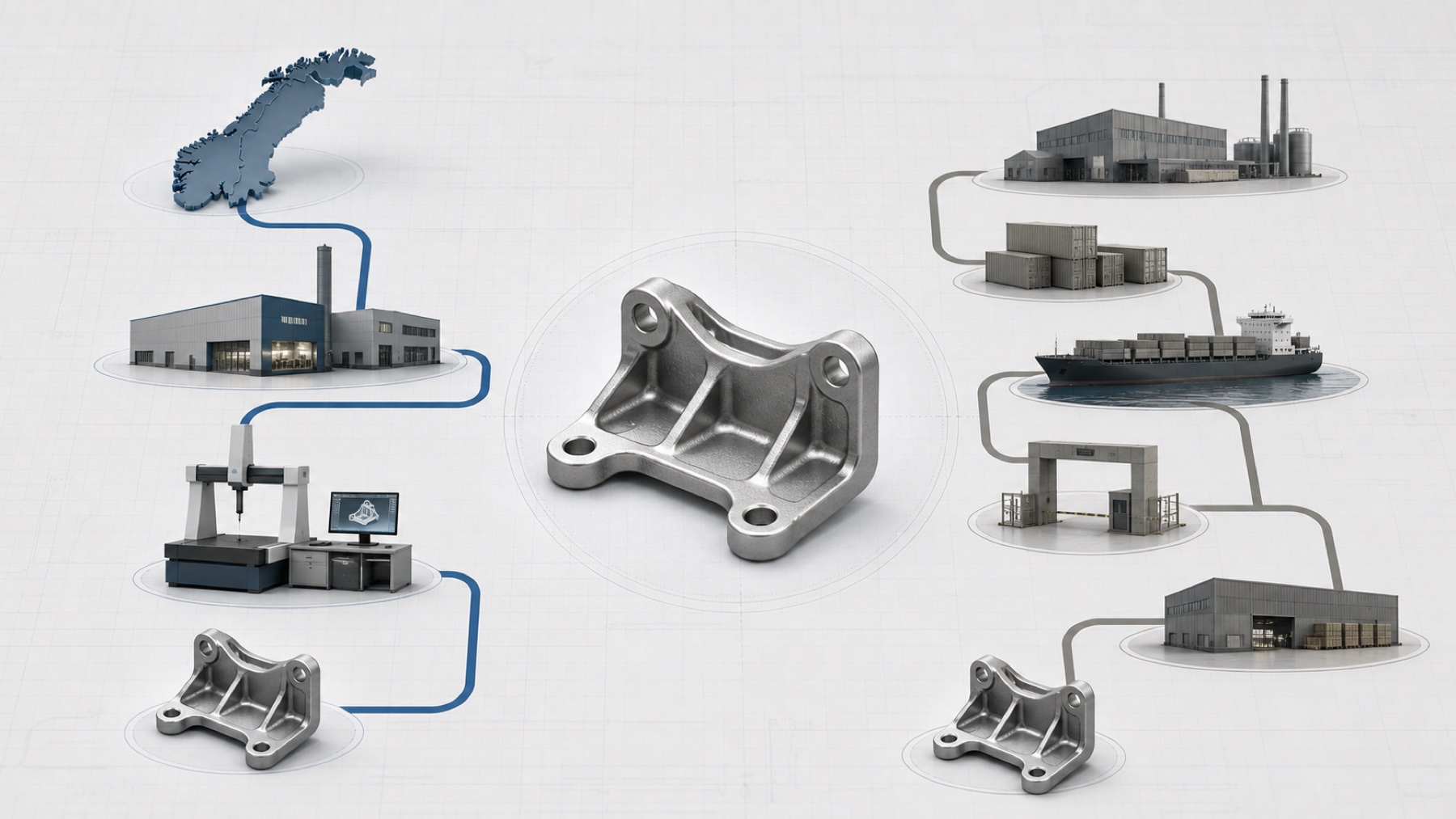
A casting is not finished when it leaves the tool. Here are the nine steps between casting and assembly — and what it costs you to own them yourself.
6 min lesing
Støping, maskinering og overflate under ett tak — Råde, Norge
Casting methods, post-processing and the road from drawing to finished part.
Process
A casting is not finished when it leaves the tool. Here are the nine steps between casting and assembly — and what it costs you to own them yourself.
6 min lesing
Process
One question settles the choice in most cases, and it is not about volume. Here is the full decision tree, with the technical reason behind it.
5 min lesing
Knowledge
We write about what we get asked. All of it by people who cast and machine the parts themselves.
How it fits together
The knowledge base is written for someone buying a cast component who does not do it every week. The articles answer the questions we actually get in an enquiry, in the order they arrive.
Material first. Zinc or aluminium is the first fork: one is lighter, the other gives thinner walls, sharper detail and longer die life. Once the metal is settled, high pressure or gravity die casting decides what the part will take afterwards — only gravity cast parts are normally heat treated.
Then method and economics. Cast or machined from billet is the arithmetic that decides whether casting pays at your volume at all, and what a casting tool costs explains the investment that makes that arithmetic hard the first time.
Then design. Seven moves that make a part castable is the shortest route from a drawing made for machining to a drawing made for casting. Casting tolerances to ISO 8062 sets out what holds as cast and what has to be machined, and threads in cast parts takes the question that arrives in almost every enquiry.
Finally regulation. CBAM from 2027 is the one change that moves the arithmetic on imported castings over the next few years.
The terms that recur through all of this are explained in the glossary. Every term has a stable link you can cite, and a definition precise enough to use in a specification.
Two figures decide the choice: how many times the screw comes out again, and at what torque. Here are the three methods, when each is right, and what has to be correct in the hole before the thread can be made.
A tolerance class is not a single number but a table. Here is how ISO 8062 and ISO 2768 fit together, why the parting line changes everything, and the four mistakes that make a drawing needlessly expensive.
The same seven changes recur in almost every design review we run. All of them make the part cheaper. Five of them make it stronger as well.
Two cost structures that cross at one specific point. Here is the arithmetic that finds it, the three things people forget to include, and the five cases where machining wins at any volume.
The carbon border tariff arrives in Norway on 1 January 2027. The main cost is not the certificate price — it is the reporting apparatus you have to build. Here is what actually applies, without exaggeration.
A casting is not finished when it leaves the tool. Here are the nine steps between casting and assembly — and what it costs you to own them yourself.
One question settles the choice in most cases, and it is not about volume. Here is the full decision tree, with the technical reason behind it.
Six things drive tooling cost, and one of them can double it on its own. Here is the cost structure, the arithmetic for when the tool has paid for itself, and what you should insist on seeing in a tooling quotation.
Zinc vs aluminium die casting comes down to six questions, and weight is only the first. Here is the decision table, the three most common wrong turns, and why the heavier metal is sometimes the right one.
Very few Norwegian suppliers offer zinc die casting. Here are the five technical reasons to choose zinc, the commercial argument nobody mentions, and the four cases where you should not.
The terms used in a casting enquiry, explained briefly.
Vi bruker anonym besøksstatistikk for å forbedre nettstedet. Google Analytics lastes kun hvis du samtykker. Les mer